Rapid Prototyping

See it, hold it, correct it, before it scales.

SAPP builds working prototypes in-house so fit, finish, strength, and assembly can be tested in real conditions before a full production run is committed.

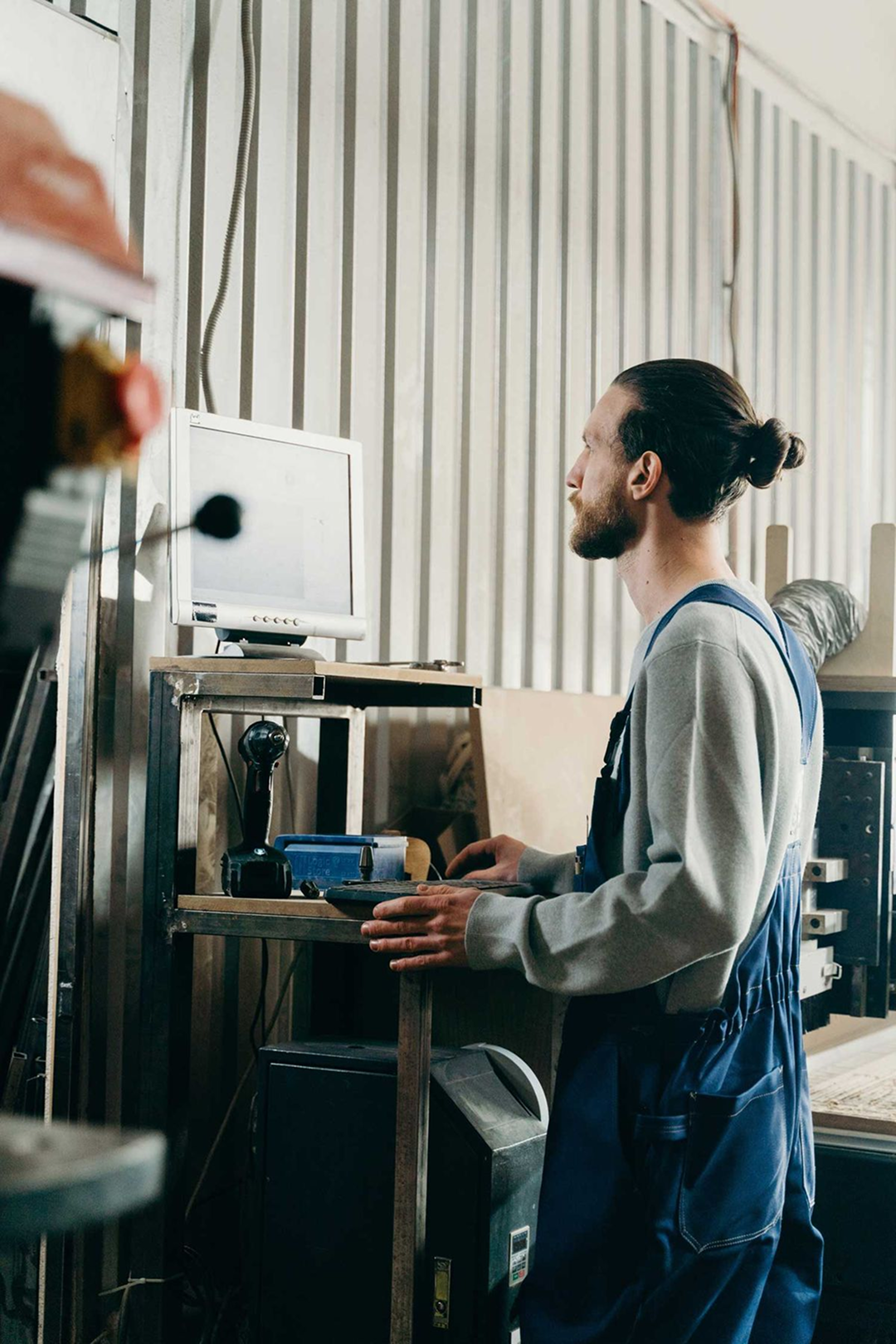
Man with a beard and hair tied back in a bun working on a computer in an industrial setting, wearing blue overalls and a light gray sweater, standing next to a metal shelf holding tools and equipment.
What We Do

We build real samples so decisions are made on evidence, not renders.

01
Prototype
Fabrication
02
Material
Testing
03
Fit & Function
Testing
04
Design
Refinement
White segmented circular loading or progress indicator with five separate arcs on a black background.
How We Do It

We prototype in the factory that will build the final run.

Prototyping is treated as a decision-making tool rather than a formality. Each sample is built to answer specific questions about structure, finish,
or assembly, and each round of feedback is documented so changes are traceable through
to production.
Prototype brief
We agree what the sample needs to prove and which questions it must answer.
1
First sample build
A physical unit is produced using production materials and methods.
2
Review and iteration
Fit, finish, strength, and assembly time are assessed and refined.
3
Golden sample sign-off
The approved unit becomes the quality benchmark for the production run.
4
Why It Matters

A problem found at prototype stage costs a fraction of the same problem found at rollout.

Worker wearing a white hard hat and yellow safety vest holding a walkie-talkie and clipboard while standing in front of stacked shipping containers at a port or storage yard.
Renders cannot show how a shelf flexes under stock, how a finish reads under store lighting, or how long a unit takes to assemble by someone following an instruction sheet for the first time.
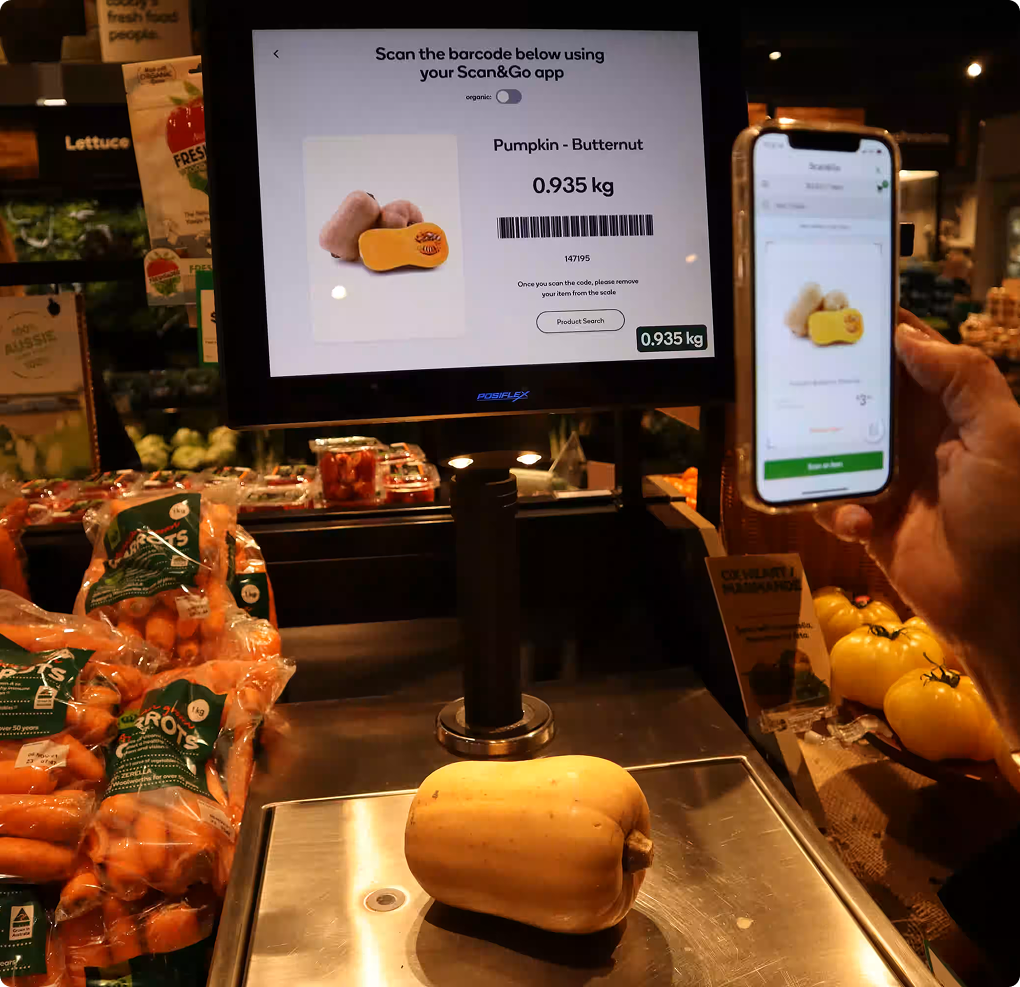
A butternut pumpkin on a grocery store scale with a screen displaying its weight as 0.935 kg and a barcode for scanning using the store's Scan&Go app, which is also shown on a smartphone held by a person.
SAPP prototypes in the same facility that will run the production order, using the same materials and processes. What is approved at sample stage is what the line is set up to reproduce.
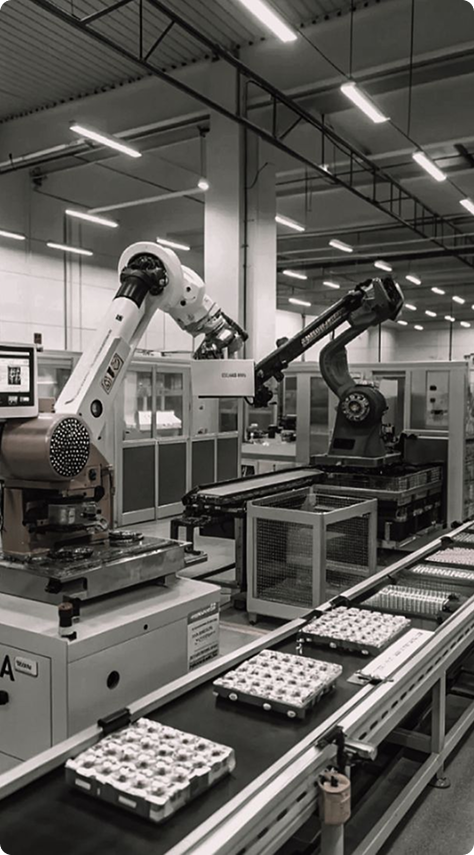
Industrial factory setting with two robotic arms working near a conveyor belt carrying trays of small cylindrical objects.
The result is a signed-off physical benchmark that removes ambiguity from the production brief and gives every stakeholder the same reference.
our projects

Relevant Case Studies

SAPP develops display concepts against shopper behaviour, store formats, and real production limits, so a design is commercially viable before
it is signed off.
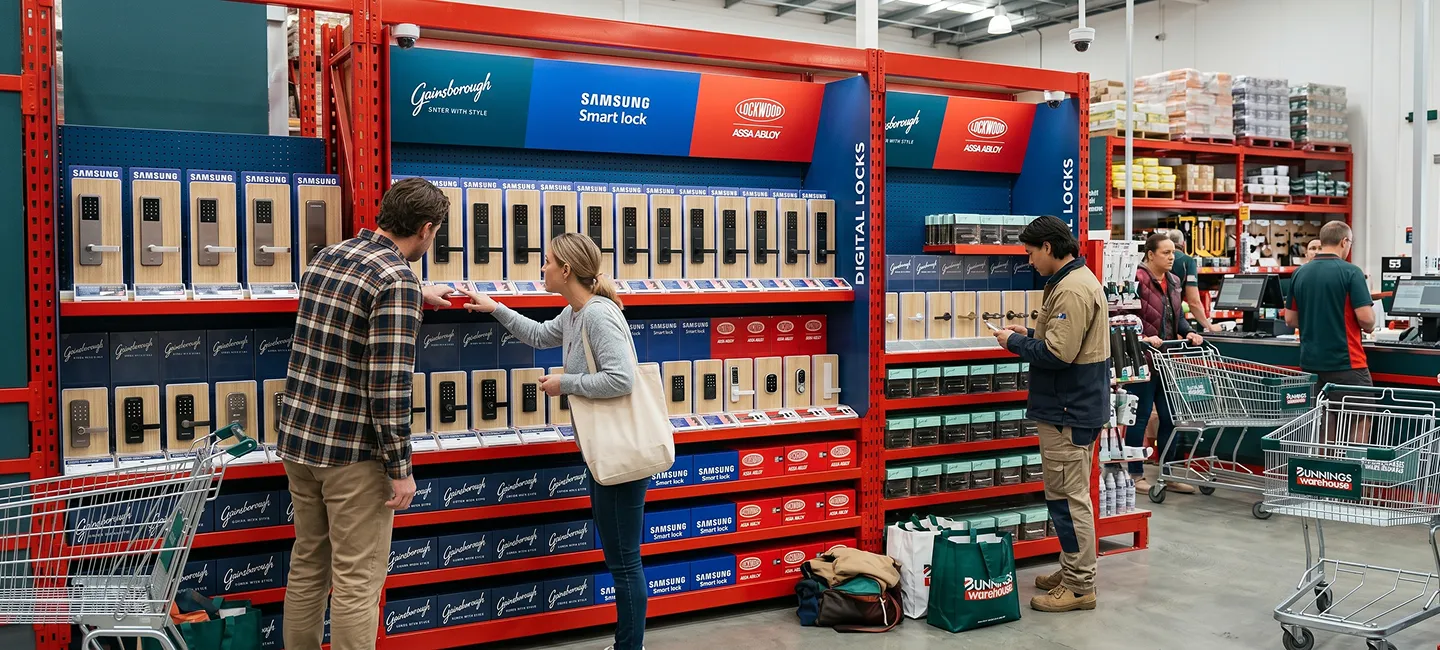
Bunnings Smart Home modular display

Bunnings Smart Home Modular Displays

CLIENT
Bunnings
WHERE
Bunnings stores — national rollout
WHAT WE DID
A scalable modular display platform supporting more than 26,000 Smart Home and
Smart Door Lock plinths across the Bunnings network.

Want to test a design before
committing to volume?

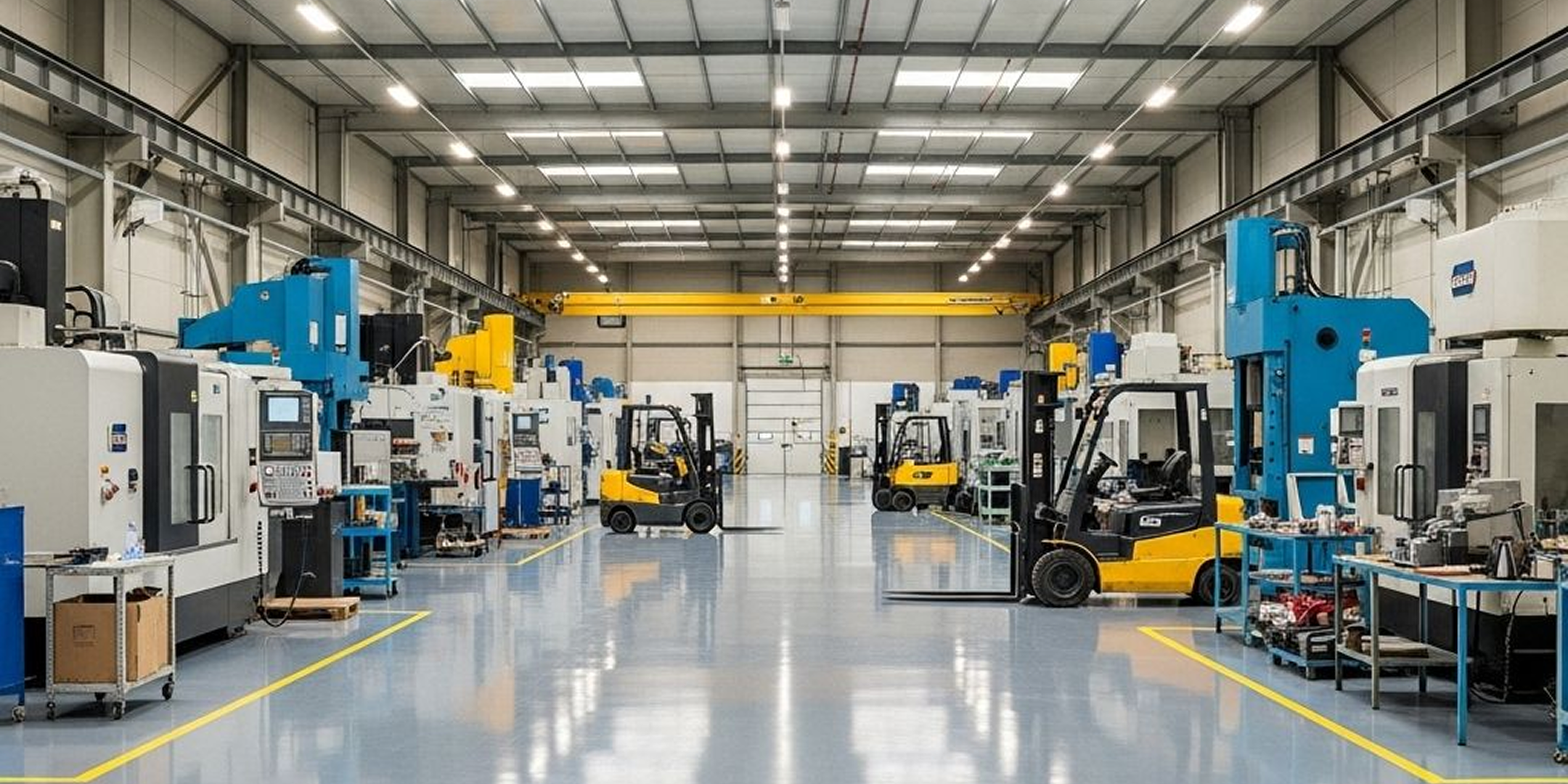
Spacious, well-lit factory interior with rows of large industrial machines on both sides and three yellow forklifts parked on the shiny smooth floor.
Contact us

Book a 30-minute call
with our experts.

Tell us about your project and we will connect you with the right specialist, whether it is one display or a national rollout.


What happens next
01
Send your enquiry using the form. A few lines about your project is enough to start.
02
We reply within 24 hours to book a 30-minute call with the right member of our team.
03
On the call we talk through your brief, timing and budget, then outline the next steps.

Unlock display excellence

We can't wait to meet you. Please fill out the form provided and one of our friendly consultants will be in touch shortly.

Message sent
Thank you for getting in touch with SAPP. Our team will be in contact shortly.
Something went wrong while sending your message. Please check the required fields and try again.